
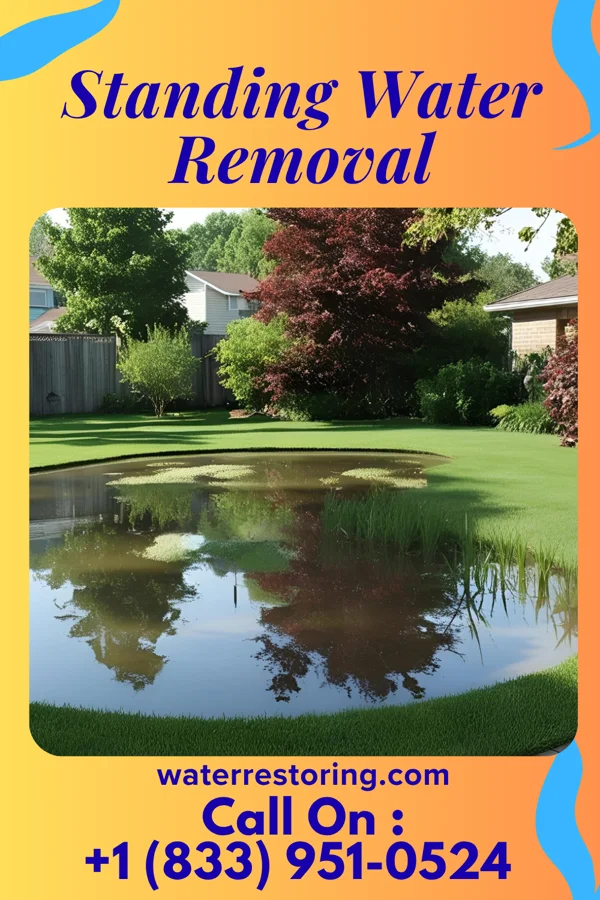
Ground-Water Standing Water in Lenox
Water damage in Lenox tends to cluster in predictable windows because of the local climate. In Lenox, Georgia, water damage often stems from sudden plumbing failures, such as burst pipes or leaking water heaters, particularly in older homes with aging infrastructure. Additionally, heavy rainfall during the spring and summer months can lead to basement flooding and seepage through foundation cracks. A close second is Secondary causes include malfunctioning sump pumps, leaking roofs due to storm damage, and water infiltration from nearby creeks or streams. These issues are more common in rural areas near Sparks, GA, and can quickly escalate without prompt intervention..
Lenox experiences a humid subtropical climate with frequent thunderstorms and heavy downpours, increasing the risk of water intrusion. The region's proximity to the Appalachian Mountains also means that sudden weather changes can lead to rapid water accumulation and damage.
Lenox experiences a humid subtropical climate with frequent thunderstorms and heavy downpours, increasing the risk of water intrusion. The region's proximity to the Appalachian Mountains also means that sudden weather changes can lead to rapid water accumulation and damage. The dominant local driver is In Lenox, Georgia, water damage often stems from sudden plumbing failures, such as burst pipes or leaking water heaters, particularly in older homes with aging infrastructure. Additionally, heavy rainfall during the spring and summer months can lead to basement flooding and seepage through foundation cracks., with Secondary causes include malfunctioning sump pumps, leaking roofs due to storm damage, and water infiltration from nearby creeks or streams. These issues are more common in rural areas near Sparks, GA, and can quickly escalate without prompt intervention. showing up as the next most common cause. Damage builds in stages. Spread. Absorption. Microbial growth. Structural compromise. Every stage you pass through adds to the final bill.